
Vibrant and multi-textured, India hosts and virtually originates the vibrant cultures and traditions, where marble temples and silk sarees are two twin and vital elements which effectively illustrate our country’s rich heritage. These components represent not only the artistic and spiritual sides but also the history of man, the sameness of his love and the exclusive artistry that has evolved over time.
Marble Temples: The Spiritual Edifices
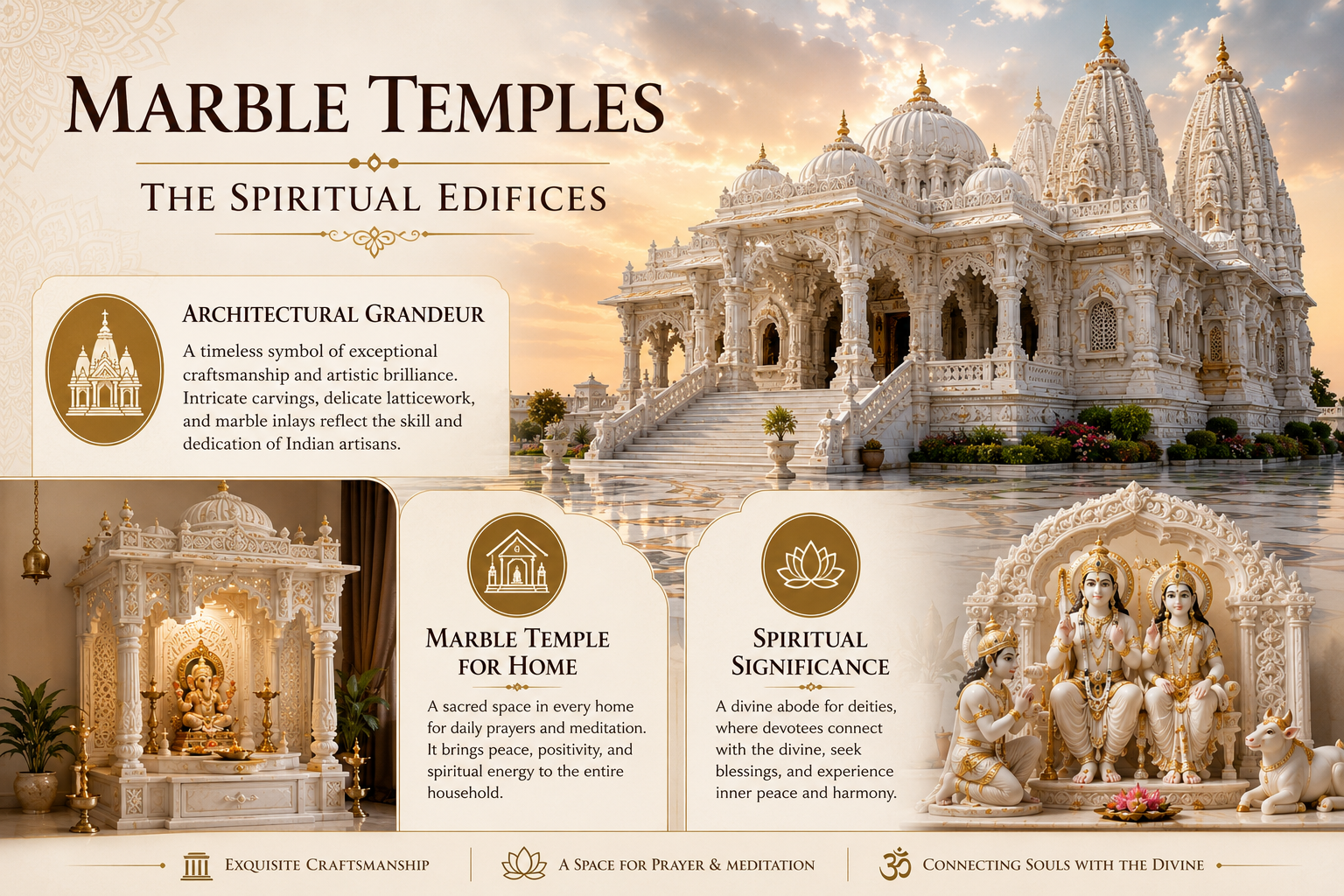
1. Architectural Grandeur
Marble temples are proof of the skillful work of the Indian architects. Through the elaborately carved and artistic designs, they accomplished a demonstration of excellent craftsmanship and also followed the guideline regarding the tiniest detail. These temples, among many other things, display the most exquisite latticework, the marble inlays, and sculptural artistry, which attract both the pious and the traveler, besides of course being pretty to look at and talk about.
2. Marble Temple for Home
Marble temple for home is commonly used by people in many Indian households. These little prayer rooms, besides cooking etc. are the essential places where someone can go daily for prayer and meditation, providing the house with spiritual energy and also giving a chance for peaceful silent prayer within the noise of everyday distractions.
3. Spiritual Significance
Marble temples facilitate the presence of numerous deities who are symbolism of different parts of human life. These temples cater to the needs of worshipers by providing a space for them to seek blessings, perform religious ceremonies, or simply to interact with the gods. This kind of background that these temples have is esthetic and yet spiritual thus it enables the experiences of internal harmony and piety.
God Statues and Idols: Spiritual Anchors
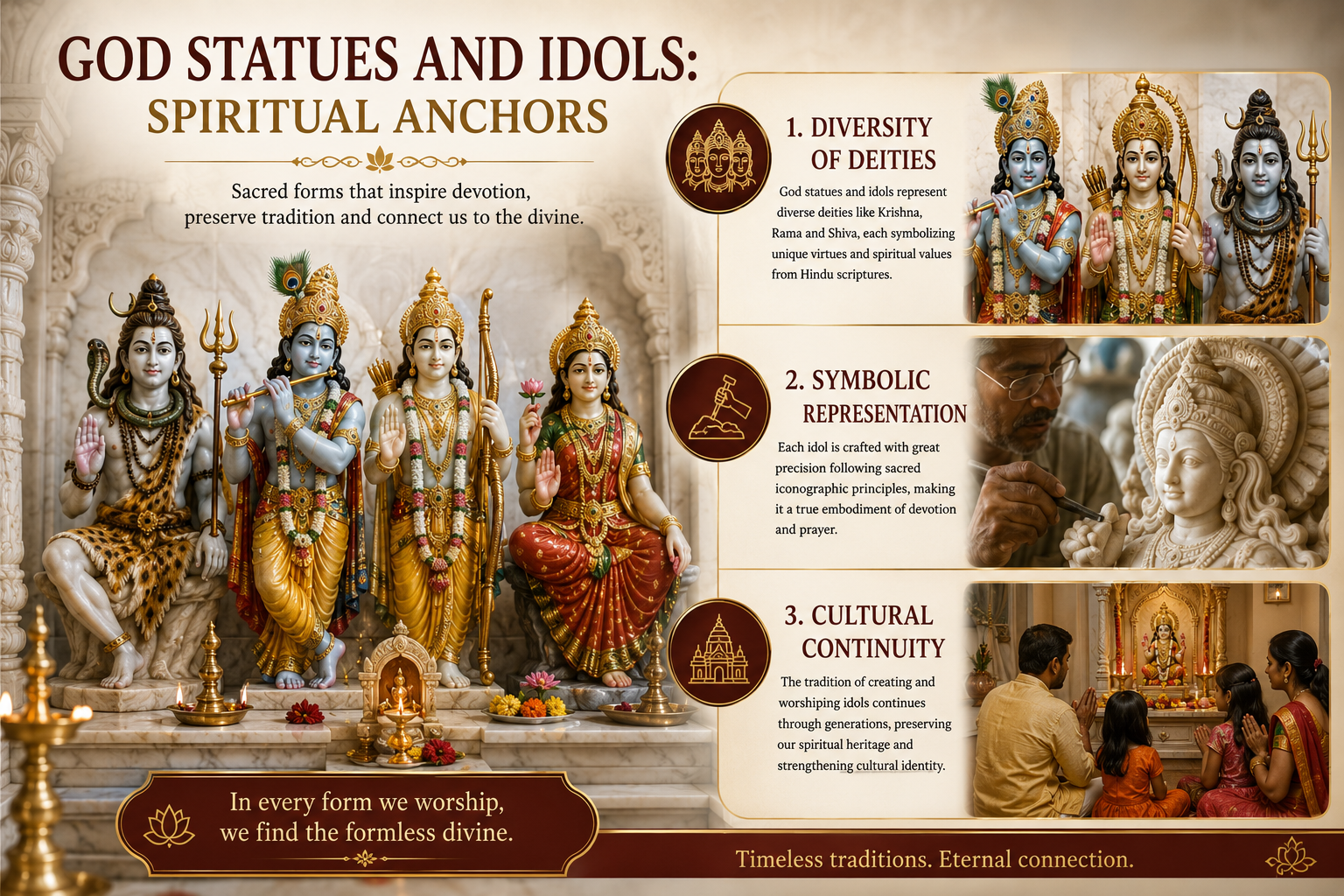
1. Diversity of Deities
Marble temples and homes with plain marble make the use of God statues and idols one of the very important mediums in worshiping for an individual. The images carry stories that have been mythical. They are all real according to the people. They (e. g. Krishna, Rama, or Shiva) are imaged with the specific ethical quality or spiritual value they represent in the Hindu scripture.
2. Symbolic Representation
Each idol implies the core of devotion and prayer. The expertise required in carving these figures includes the observance of detailed iconographic rules so that every piece is the true reflection of the represented god. This practice is deeply ingrained in the cultural and religious history of Fiji and is deeply rooted in tradition.
3. Cultural Continuity
Through time, the concept of making and using God Statues and idols has come a long way. Nevertheless, the tradition of idol-making and worship persists since time immemorial and has become an integral part of Indian culture. This continuity underscores the significance of these artifacts in preserving and perpetuating Indentation’s spiritual heritage.
Silk Sarees: Timeless Elegance
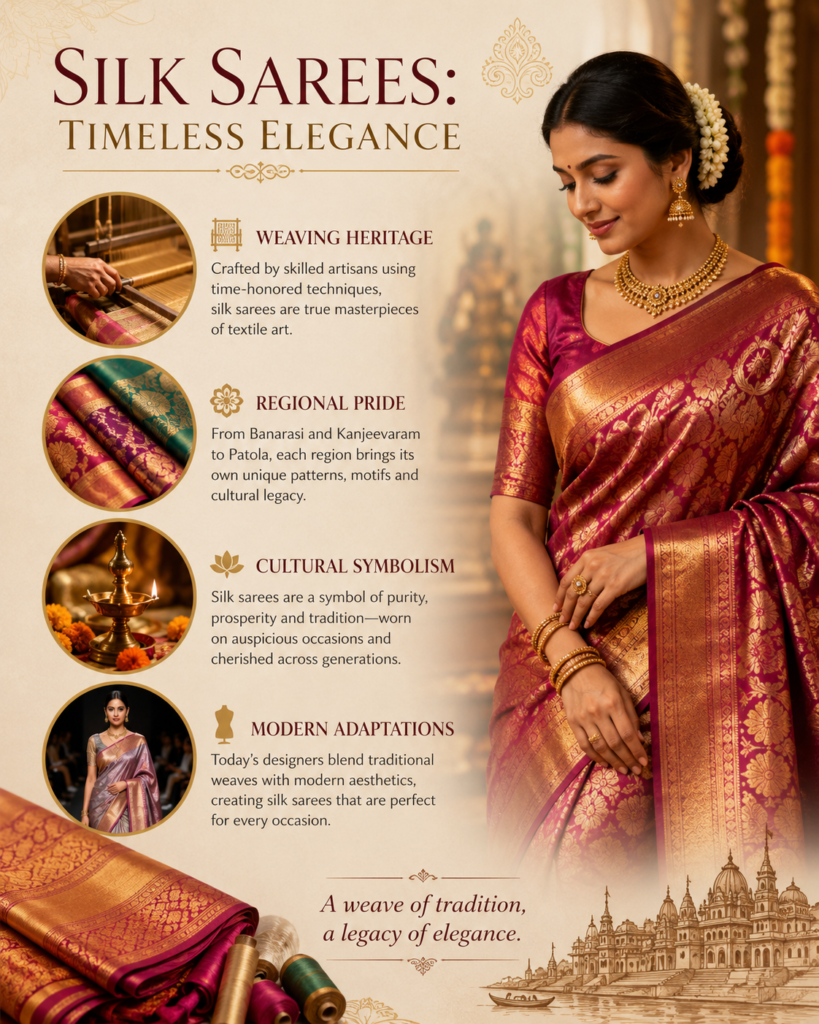
1. Weaving Techniques
Silk sarees may truly be considered as the masterpieces of textile art the making of which requires very high skills and knowledge. Established weavers appeal to traditional techniques that have been handed down for many years often leading to sarees that are characterized by intricate patterns, vibrant dyes, and lavish textures.
2. Regional Varieties
India is known for producing authentic silk sarees from different parts of the country, and buyers will find each region has unique styles and motifs. Banarasi, Kanjeevaram, and Patola silk sarees, for example, are the pride of their unique patterns and cultural links, which in fact are direct indicators of the pedigree of each garment’s place of origin.
3. Cultural Symbolism
Silk sarees are typically considered an auspicious and pure item in Indian cultures, thus often they are worn in significant social and religious ceremonies to symbolize the purity of individuals and the greatness of the occasion. They are images passed on from one generation to the next, becoming unforgettable items marking very personal moments and at the same time, reminders of a unique historical era.
4. Modern Adaptations
While old silk sarees are beloved for their genuine quality, modern designers also try out different ways within the same old technique, combining new ideas with the traditional knowledge and methods to come out with the clothes suitable for the present and upcoming events.
Marble temples and silk sarees, as two pillars of the rich and vivacious cultural tapestry of India, still stand as the ambassadors of the dimensions of man’s spirituality, artistry, and tradition. As society advances, these heritage sites remain beacons of the past that bind generations on the shared history of the nation and the continuity of its customs.